

In-house fulfillment
Your team stores, picks, packs and ships orders from its own facility. This ecommerce fulfillment model can work at an early stage when order volume is manageable and direct control matters most.




Connect suppliers, inventory and customer orders with a repeatable China ecommerce fulfillment workflow. SFC manages receiving, storage, stock control, pick and pack, custom packaging, international delivery and returns.
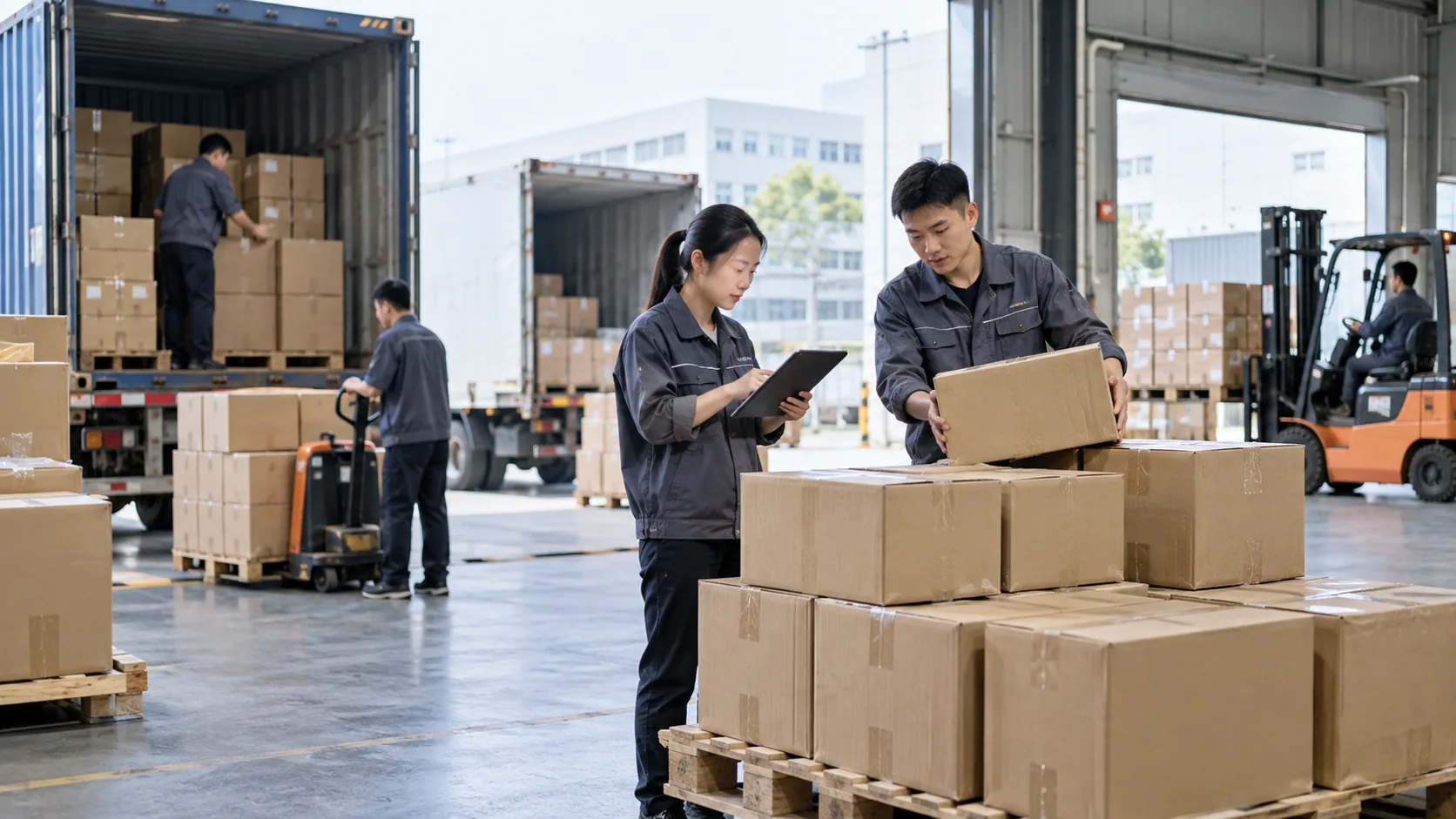
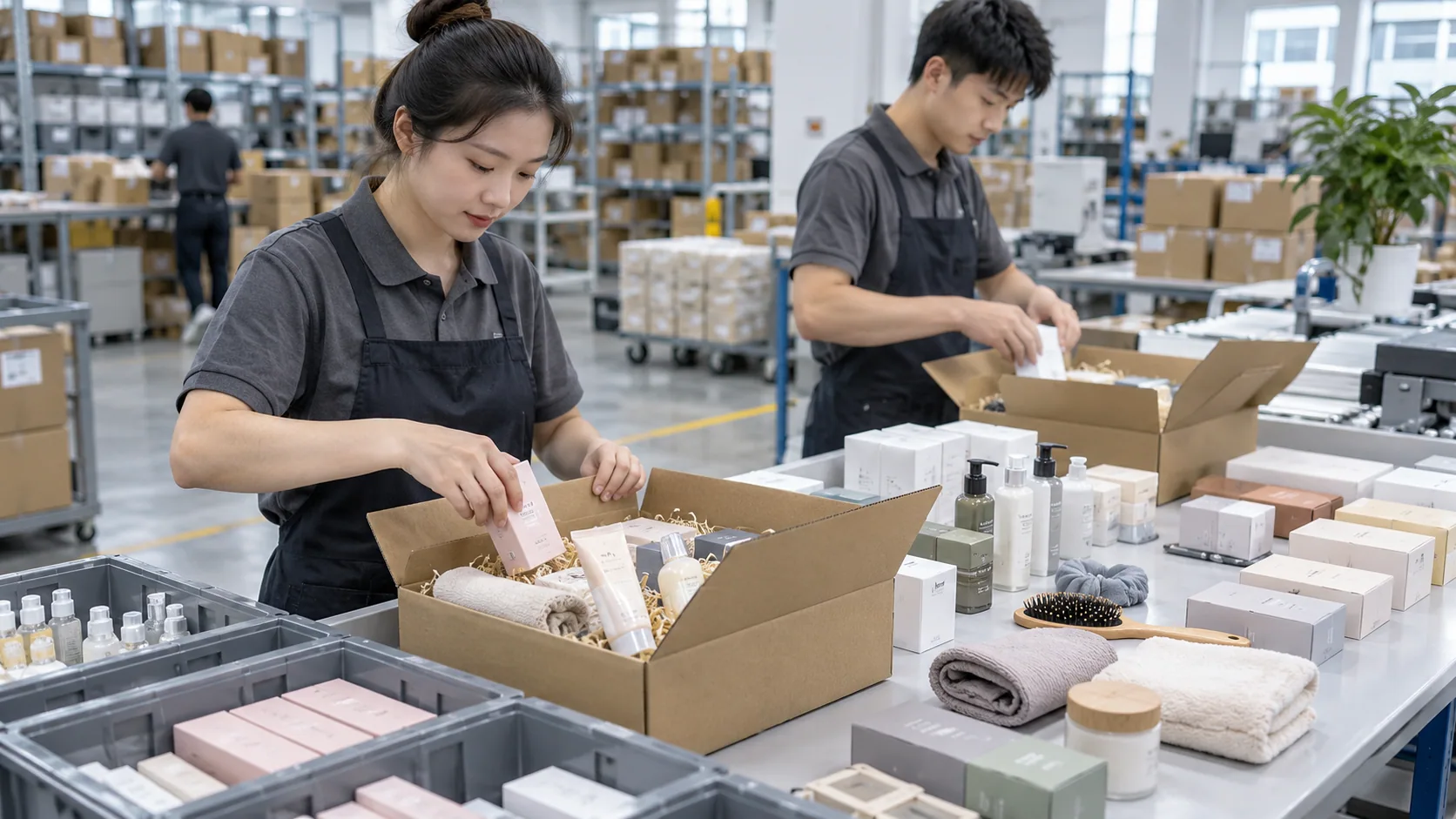
Ecommerce fulfillment is the operational bridge between a customer placing an order and receiving the correct product. It includes receiving inventory, storing SKUs, syncing orders, picking products, packing parcels, handing them to a carrier, uploading tracking and resolving exceptions.
For brands sourcing from China, the workflow can begin close to suppliers instead of moving every unit to an overseas warehouse before demand is clear. That gives growing stores a more controlled way to manage inventory, shipping routes and customer experience. Explore how SFC supports the broader cross-border fulfillment workflow.
Get a Fulfillment QuoteDifferent ecommerce fulfillment models solve different operating problems. The best fit depends on where inventory is held, who owns the daily warehouse work, how fast demand changes and how much control your team needs.
Your team stores, picks, packs and ships orders from its own facility. This ecommerce fulfillment model can work at an early stage when order volume is manageable and direct control matters most.
A third-party logistics provider receives inventory and runs the warehouse workflow for you. It can reduce operational workload while adding structured receiving, storage, order handling and shipping support.
Inventory is prepared to meet Amazon requirements before it is sent into the Amazon fulfillment network. Review Amazon FBA, FBM and hybrid fulfillment when deciding how much stock to place with Amazon.
Stock is split between locations, such as China for new products or replenishment and overseas warehouses for local delivery. It requires clear allocation and inventory rules.
Products are sourced or dispatched after an order arrives instead of being held in a large inventory position. Compare China 3PL and dropshipping agent models before choosing the right balance of stock control, speed and flexibility.
Products are dispatched after orders arrive instead of being held in a large inventory position. It can lower upfront stock risk, but product availability and delivery consistency need careful control.
Use this comparison to weigh control, operational workload, inventory position and channel requirements before choosing a fulfillment model.
| Fulfillment model | Best suited to | Main advantage | Trade-off to plan for |
|---|---|---|---|
| In-house | Early-stage stores with manageable order volume | Maximum day-to-day control | Warehouse labor, space and process costs stay with the seller |
| Third-party 3PL | Brands ready to outsource warehouse operations | Scalable handling and specialist fulfillment support | Requires setup, data mapping and service-level alignment |
| Amazon FBA | Sellers using Amazon fulfillment | Amazon handles eligible storage, delivery and customer-service operations | FBA prep, inbound rules, fees, stock placement and replenishment need close control |
| Hybrid | Brands serving different regions or demand stages | Balances supply-side access with local delivery | More complex stock allocation and replenishment planning |
| Dropshipping | Stores testing products or minimizing held inventory | Lower upfront stock commitment and flexible product testing | Supplier availability, delivery consistency, quality control and customer expectations need active management |
China ecommerce fulfillment is useful when the supply chain, product sourcing and customer demand cross borders. The right operating model depends on your product, order volume, SKU complexity, destinations and service expectations.

Coordinate Chinese suppliers, one inventory pool and direct-to-consumer orders across multiple destinations.
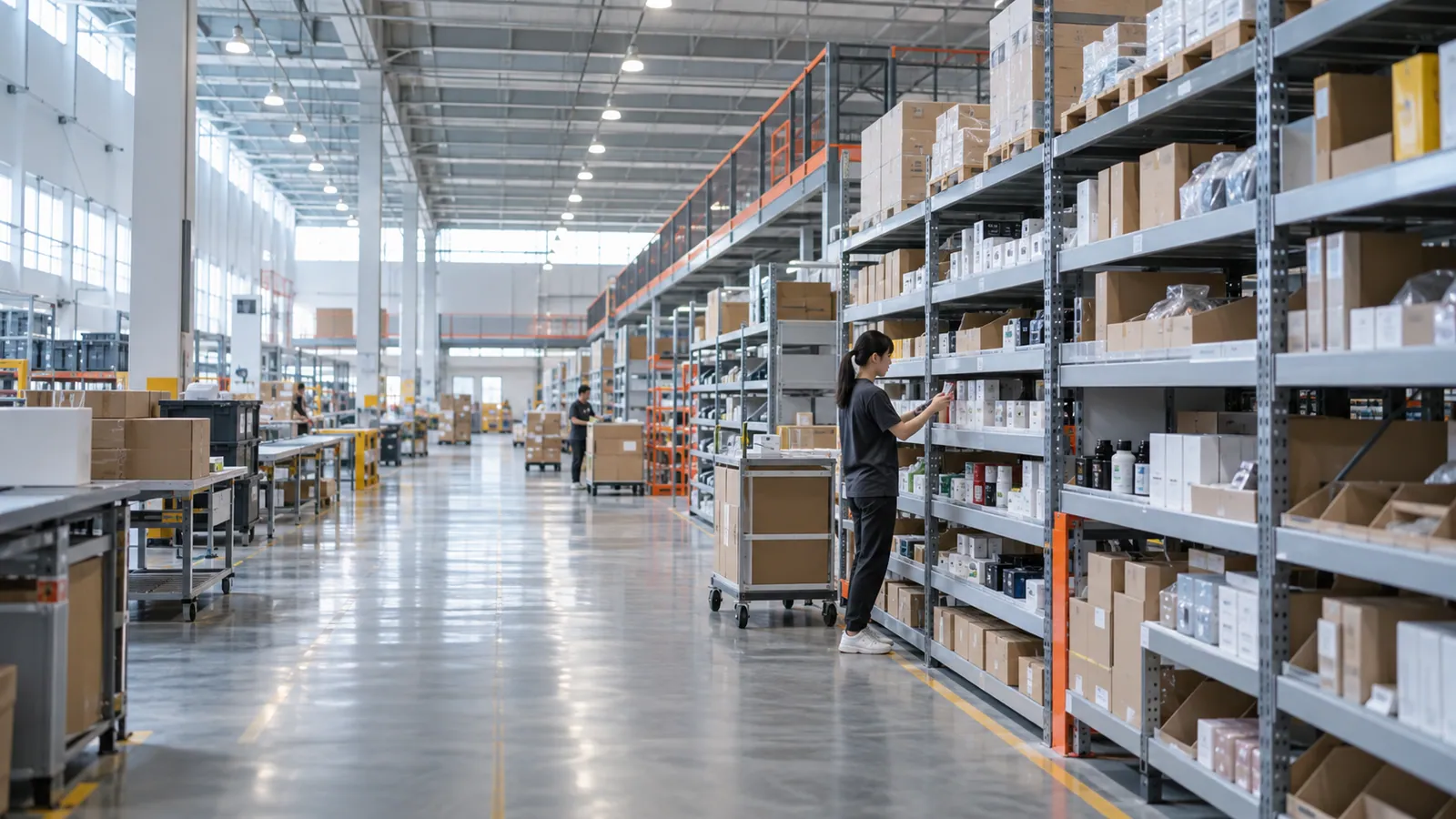
Use clear SKU, variant, bundle and stock rules before manual spreadsheets become a bottleneck.
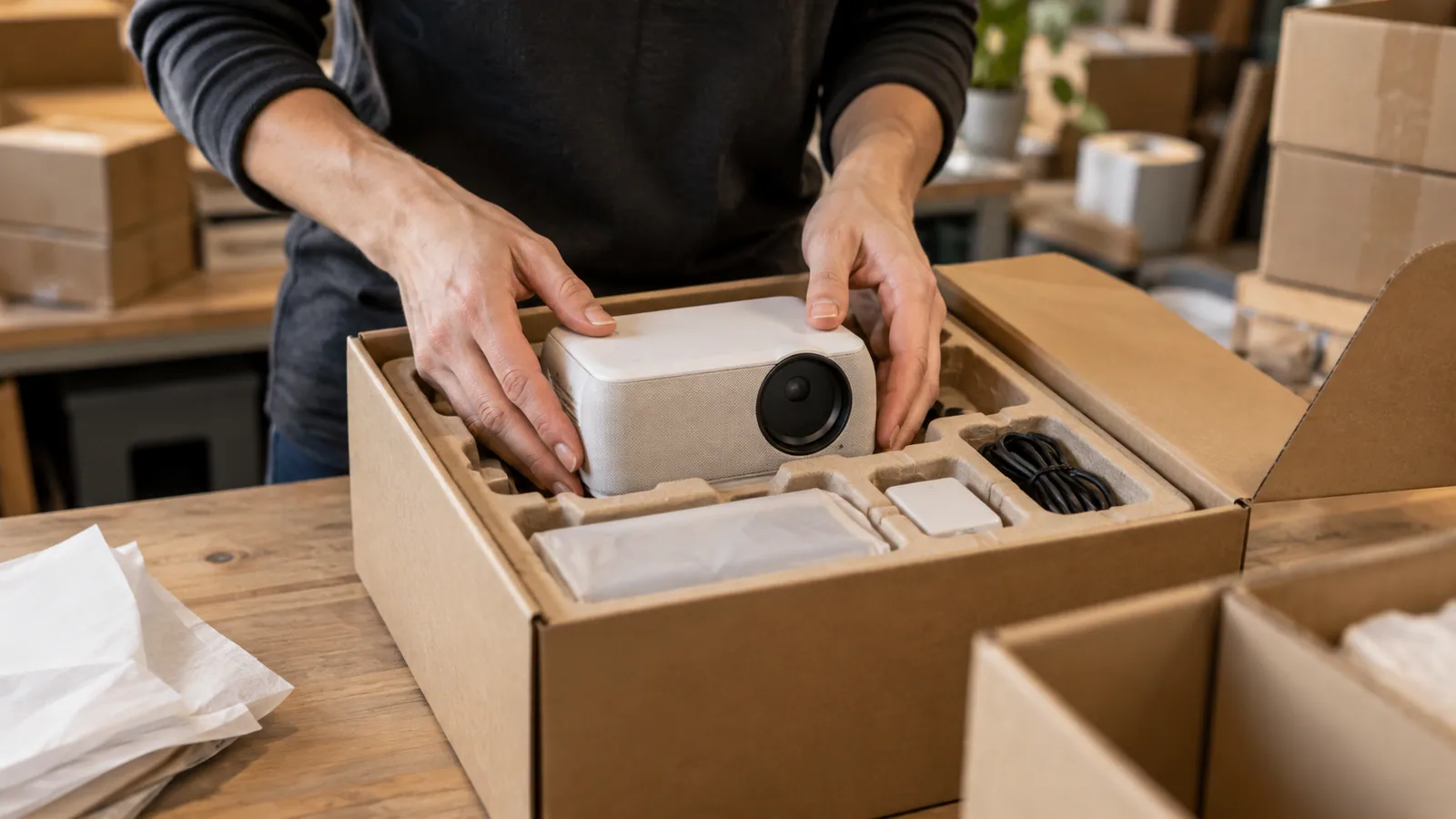
Support inserts, bundles, branded materials, protective packaging and quality checks around the order.
One operating path from supplier receiving to customer delivery, with rules that can be documented and repeated as order volume grows.
Receive products close to the China supply base, count cartons, check SKUs and put stock away with clear records.
Map products, variants and order data from connected stores or marketplaces into an actionable fulfillment queue.
Follow SKU, bundle, insert, labeling and quality rules so every parcel matches the customer order.
Match parcels to shipping routes, upload tracking and manage address, delivery, return and replacement exceptions.
Keep channel orders moving through one documented inventory and fulfillment process. Integration details depend on the store, marketplace, product and order data available for setup.


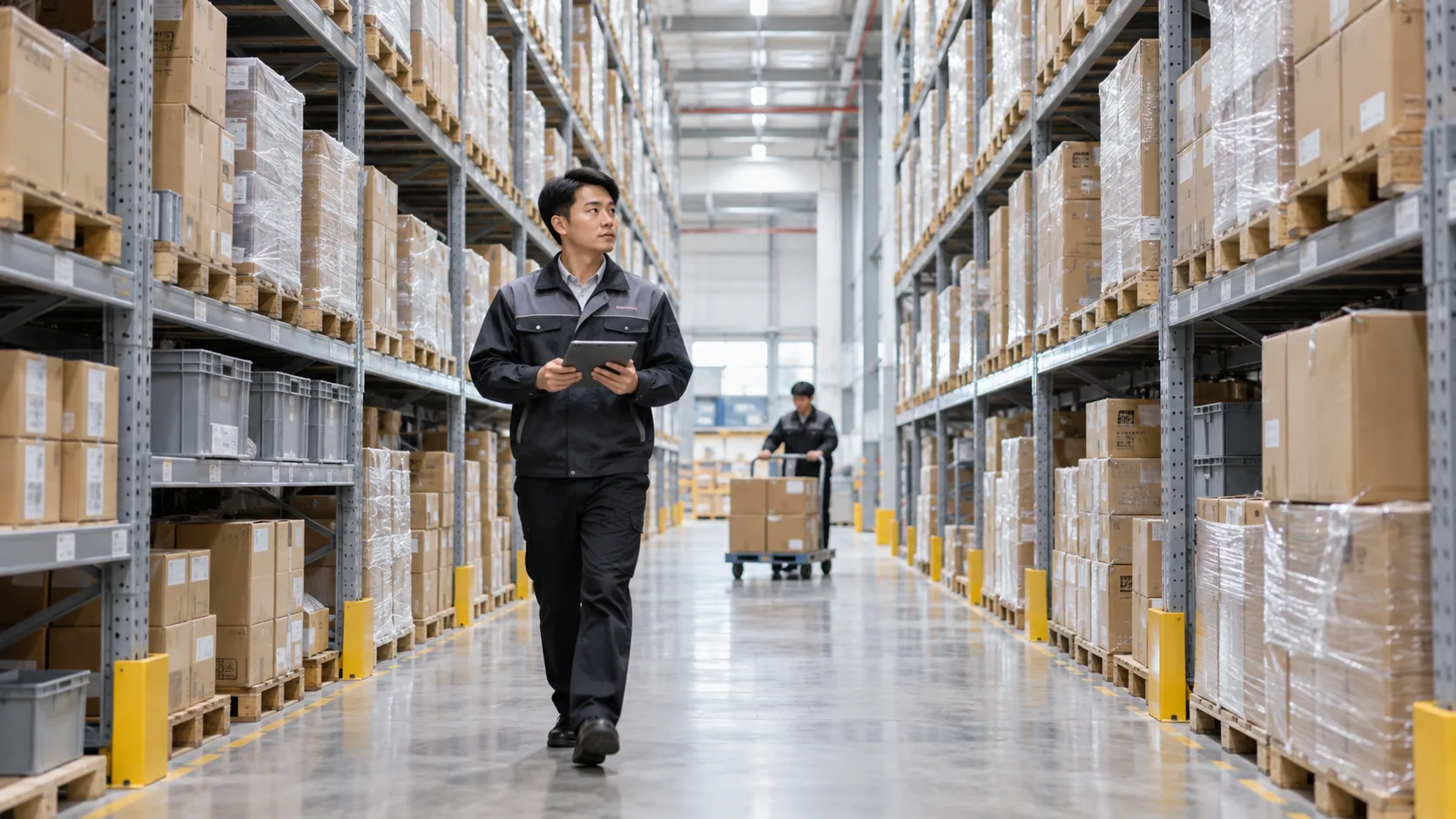
A China-based fulfillment workflow can connect supplier deliveries, inventory receiving and international parcel preparation in one operating environment. This is useful when products are made or consolidated in China and the final customers are distributed around the world.
The exact service mix is confirmed from your product, order, packaging, destination and return requirements.
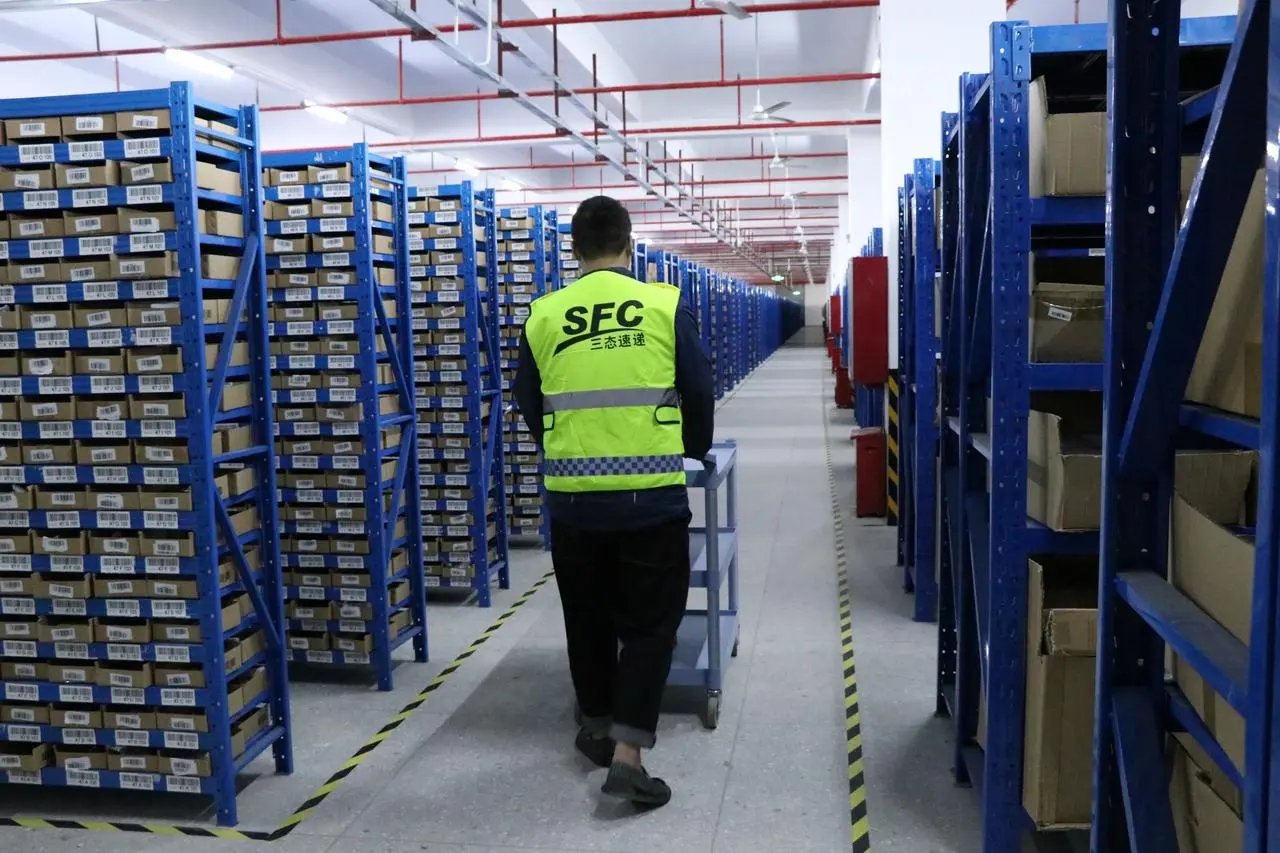
Carton receiving, SKU checks, storage organization and stock visibility for products arriving from suppliers.
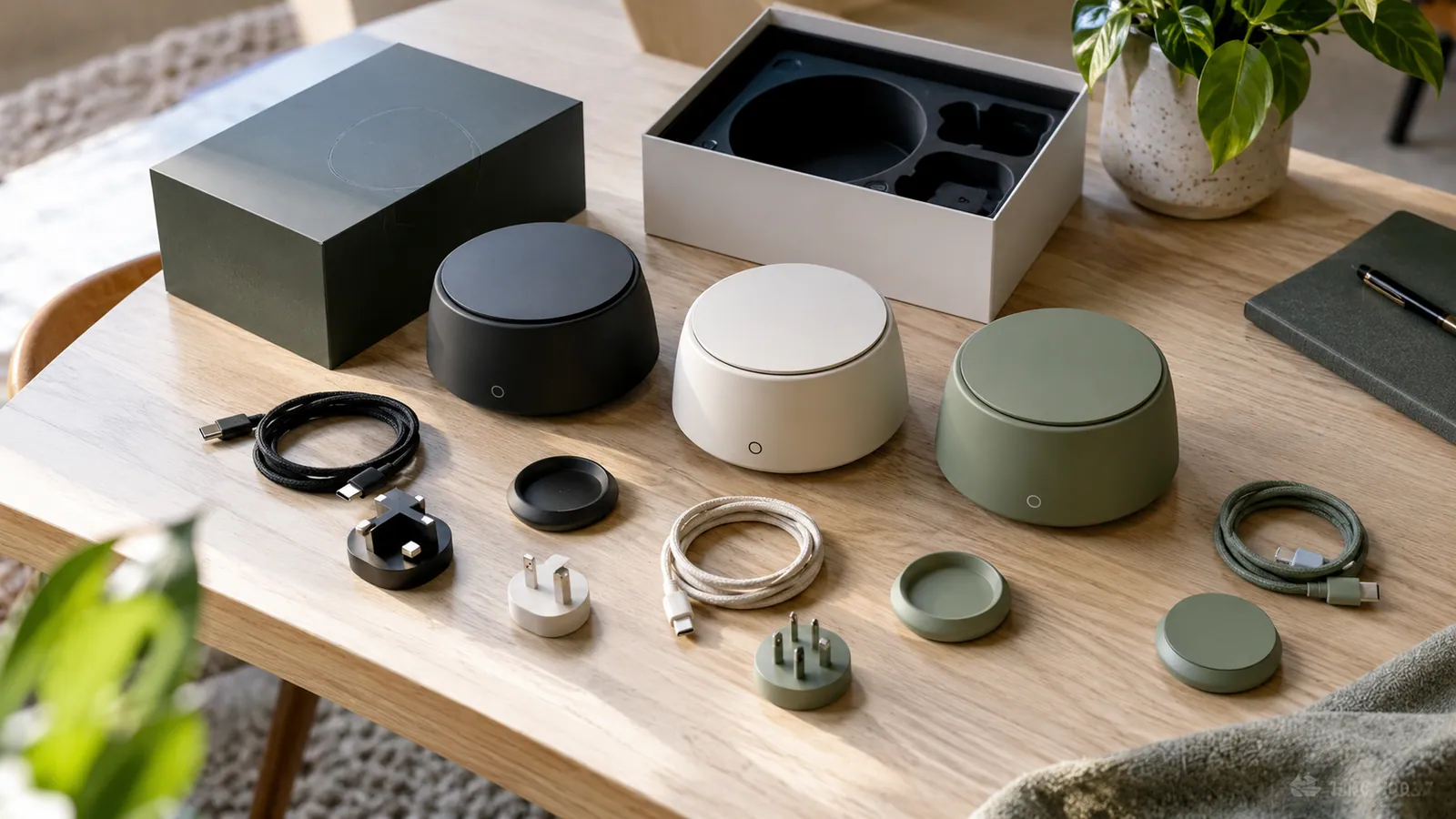
Product, variant, quantity and condition checks that help reduce avoidable packing and delivery errors.
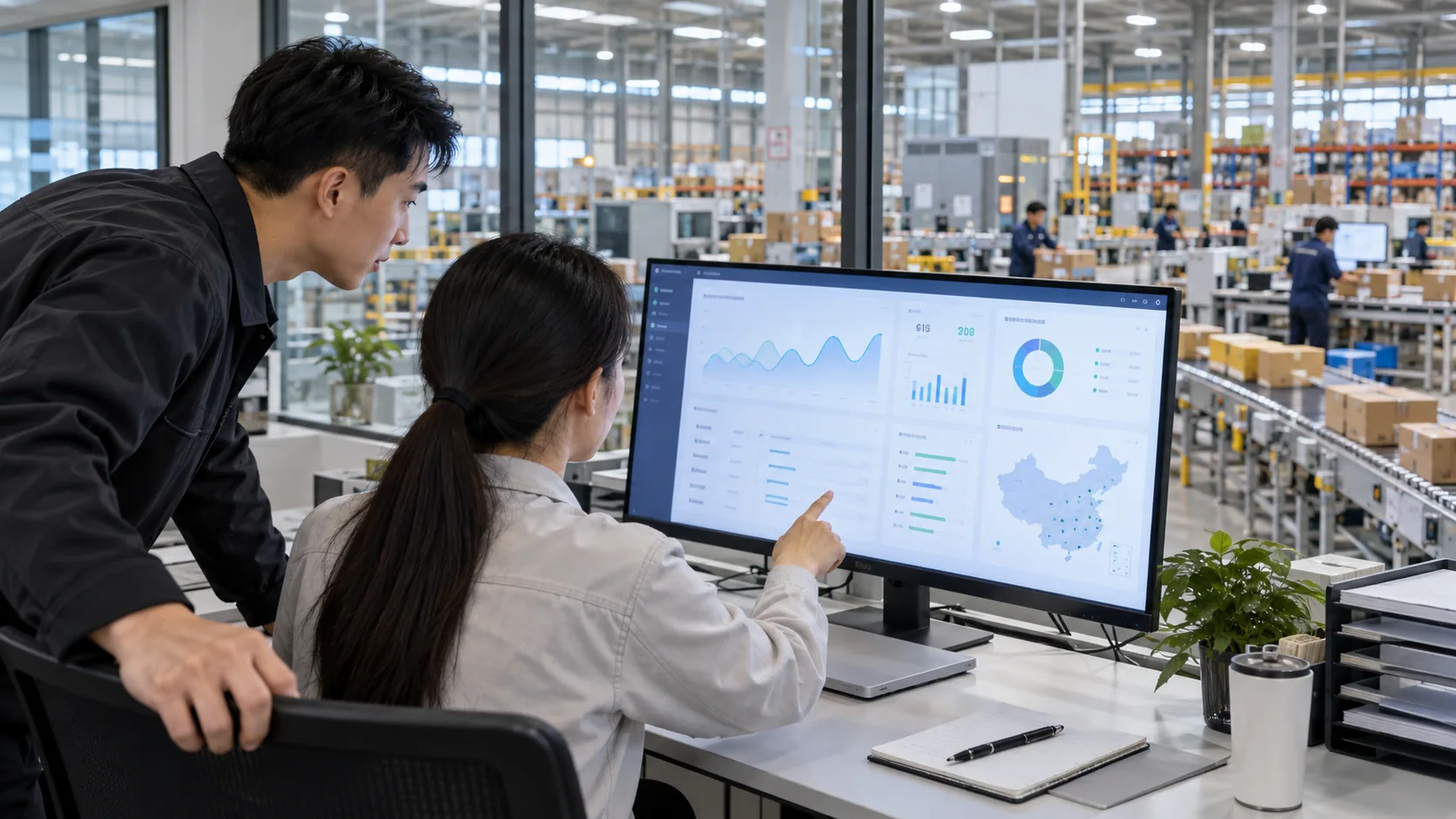
Order information, product mapping and tracking updates organized around the systems used by your store.
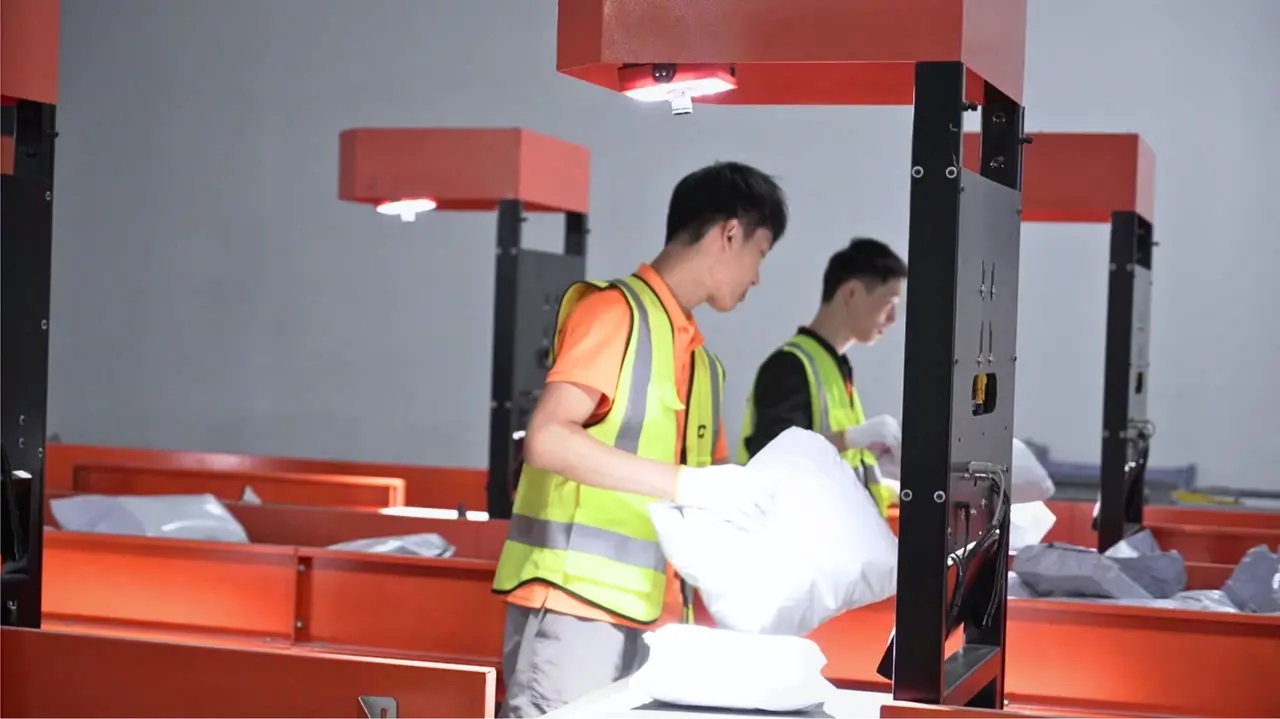
Picking, packing, labeling and dispatch preparation based on repeatable SKU and order rules.
View pick and pack support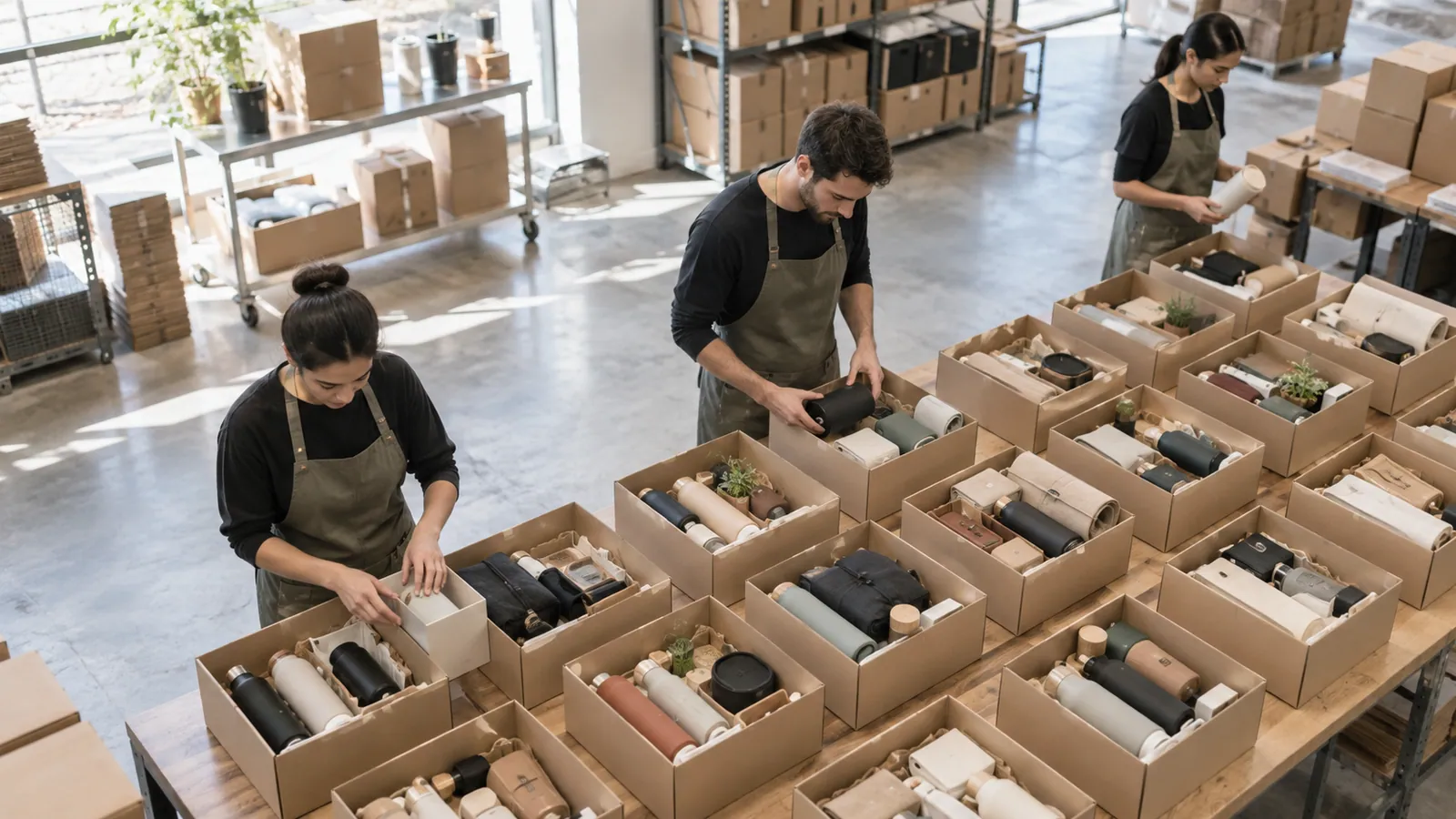
Inserts, bundles, branded materials, protective packaging and kitting planned around the customer experience.
Explore packing services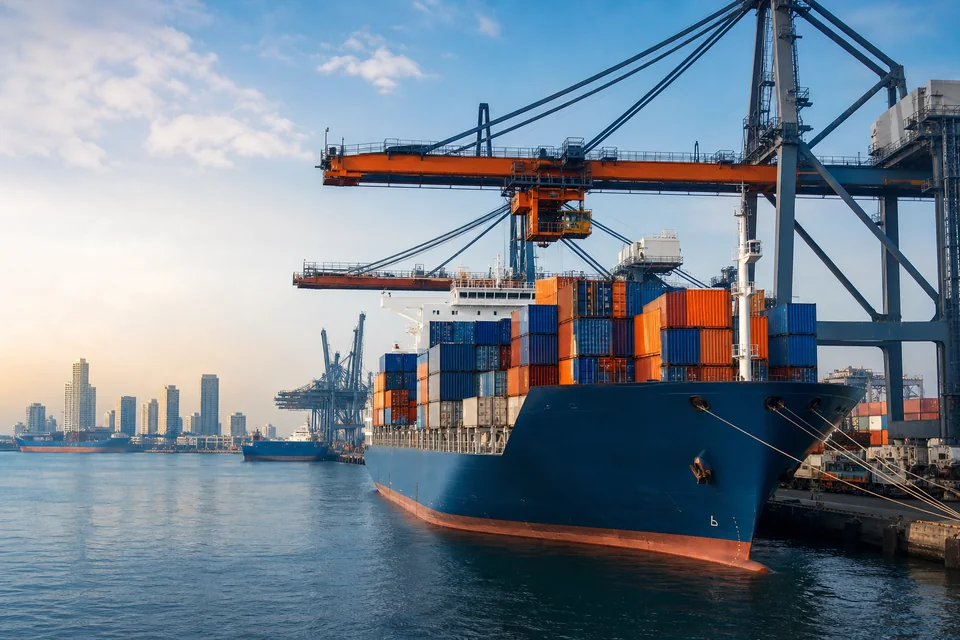
Route planning, parcel handoff, tracking upload and delivery exception support for global customers.
See order fulfillment operationsStrong fulfillment starts with clear data and clear rules. These details make a growing operation easier to measure, repeat and improve.
Use consistent product names, variants, bundles, barcodes and reorder signals across sales channels.
Document what goes into each order, how it is protected and which label or insert belongs with the parcel.
Agree how tracking numbers, dispatch status, exceptions, returns and replacements are reported back to the store.
Neither model fits every business. The right choice depends on supplier location, demand confidence, delivery promise, inventory risk and destination mix.
| Operating area | Self-managed fulfillment | Basic warehouse supplier | SFC China ecommerce fulfillment |
|---|---|---|---|
| Supplier receiving | Seller coordinates receiving and checks. | Scope varies by provider. | Receiving, counting, SKU checks and put-away can be documented. |
| Order sync | Manual exports or custom setup. | May require additional configuration. | Orders can be organized by store, marketplace and fulfillment rule. |
| Pick and pack | Seller builds people and processes. | Often limited to basic handling. | SKU, bundle, insert, packaging and label rules can be followed. |
| International shipping | Seller selects routes independently. | Depends on external arrangements. | Routes can be reviewed against destination and parcel conditions. |
| Returns and exceptions | Seller manages every case. | Requires separate confirmation. | Returns, replacements, address issues and tracking exceptions can be included in the workflow. |
Fulfillment does not stop at the first shipment. A clear China warehouse workflow can support repeat orders, replenishment, product launches, bundles, returns and future campaigns as the business grows.
For campaign-led brands梦想国际 can also support the transition from reward shipments into ongoing ecommerce orders.
Connect campaign and ecommerce fulfillment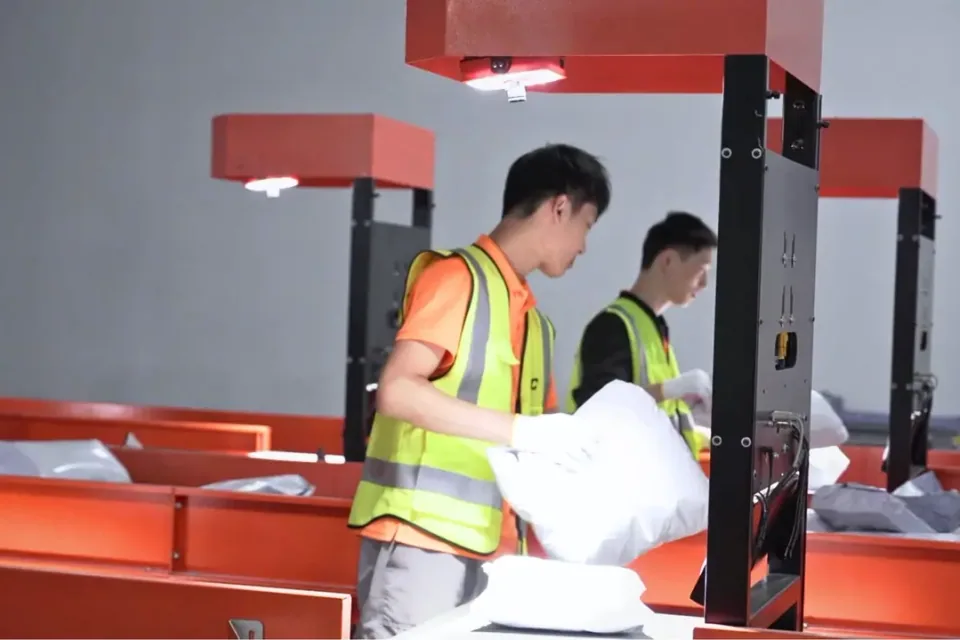
Share your products, channels, order volume, destinations and packaging requirements with SFC.
Use these answers to prepare the information a fulfillment partner needs before quoting and setup.
Ecommerce fulfillment is the process of receiving inventory, storing products, syncing orders, picking and packing items, shipping parcels, uploading tracking and managing delivery exceptions or returns.
A China fulfillment center can receive products closer to manufacturing partners, organize inventory and prepare international orders without moving all stock overseas too early.
Store and marketplace connections depend on the order data, product mapping and workflow confirmed during setup. Shopify, Amazon, WooCommerce and other multi-channel scenarios can be reviewed for fit.
Yes. Campaign rewards, bundles and post-campaign ecommerce orders can be planned as separate rules within a broader fulfillment workflow.
Custom packaging, inserts, bundles, protective materials and kitting can be planned around the product and customer experience.
Prepare product and SKU details, order volume, package dimensions and weight, destinations, channel information, packaging requirements and any return or delivery expectations.
It can be suitable when products are sourced or consolidated in China and the store needs a repeatable process for inventory, orders, international parcels and tracking.
Yes. Kitting, bundles, inserts, variants and pack rules can be documented so the correct combination is prepared for each order type.
Route planning depends on the product, parcel profile, destination, delivery expectations, customs responsibilities and available carrier options.
Yes. A China-based workflow can support early demand, supplier receiving and direct global shipping before an overseas inventory decision is justified.
Want to know about our services, fees or receive a custom quote?
Please fill out the form on the right and we will get back to you within a business day.
The more information you provide, the better our initial response will be.
 Want to know about our services, fees or receive a custom quote?