




Table of Contents
Table of Contents
A return address looks like a small detail. It is printed on a label, copied into a help-center article, and sent to the customer. Job done, right?


Not really.
That address decides where the customer spends time and money. It also decides who receives the parcel, who checks the product, who approves the refund, where inventory is recorded, and whether the item eventually goes back to China, stays local, or gets liquidated.
Imagine a U.S. customer returning a $22 accessory to China. The postage costs $28. Then the item needs receiving, inspection, storage, and perhaps repacking. A local hub could receive it for $6 and put several returns into one consolidated shipment later. Same customer problem, very different operating result.
A strong cross-border returns address strategy separates three things:
- Where the customer sends the product.
- Where the product is inspected and processed.
-
Where the product finally goes.
The practical sequence is:
Map → Segment → Price → Assign → Operate → Test → Review.
This guide shows how to build that network for brands selling from China to customers in multiple countries. It covers address architecture, product rules, cost modeling, customer policy, RMA and inventory controls, customs questions, 3PL operations, fraud prevention, and SLA terms.
What Is a Cross-Border Returns Address Strategy?
A cross-border returns address strategy is the set of rules that decides which return destination applies to each customer, market, channel, product, and condition.
The strategy may use:
- a China return address;
- a country-local return address;
- a regional returns hub;
- a specialist repair center;
- a consolidation point;
- a returnless-refund process;
- a hybrid network using several of these options.
These terms are related but not identical.
- Customer return address: The destination shown to the shopper.
- Processing location: The site that receives, scans, inspects, grades, and reports the item.
- Final inventory destination: The place where the product is restocked, repaired, resold, consolidated, liquidated, recycled, or disposed of.
- RMA: The return authorization or reference that connects the parcel with the original order.
- Quarantine: A blocked inventory status used while condition, safety, fraud, or ownership is reviewed.
- Disposition: The approved final handling decision.
A mailbox or forwarding address is not automatically a returns solution. It needs a real receiving process behind it. Someone must be able to identify the parcel, check the product, update the order, and decide what happens next.
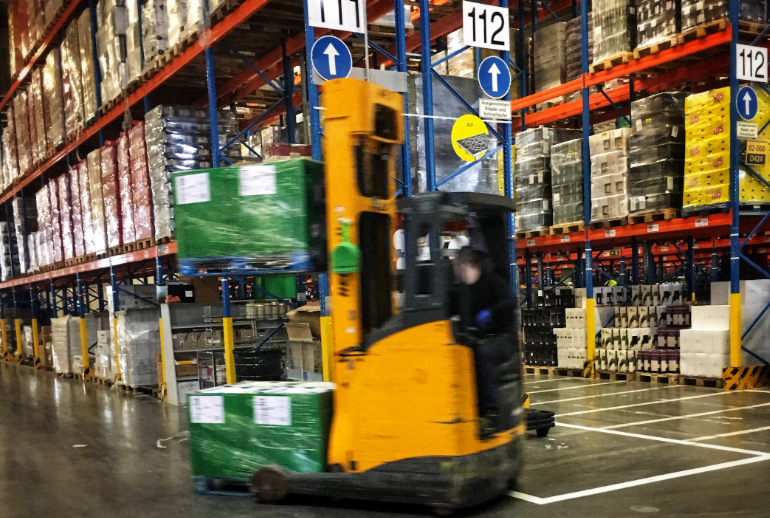
The Three-Layer Returns Network
Think of the customer-facing address as the front door. The processing location is the back room. The final inventory destination is where the business decides whether the item still has value.
|
Layer
|
Purpose
|
Typical owner
|
Key question
|
|
Customer return address
|
Gives the shopper a practical destination
|
Brand, marketplace, or returns platform
|
Is it valid for this market and channel?
|
|
Processing location
|
Receives, scans, inspects, grades, and reports
|
Local hub or 3PL
|
Can it process this product and volume?
|
|
Final inventory destination
|
Recovers value or closes the loss
|
Brand, 3PL, supplier, or specialist
|
Is local, China, or another route best?
|
This three-layer model solves a common mistake: assuming the customer must ship directly to the warehouse that will ultimately hold the product.
A customer in Spain may return an item to a Spanish hub. The hub may inspect it, refund the customer, and later send saleable units to a European warehouse while consolidating repairable units to China. The address served the customer. It did not dictate the entire reverse-logistics route.
Step 1: Map Customers, Markets, Channels, and Stock
Start with your current operation, not your preferred address.
List:
- selling countries and regions;
- monthly orders by market;
- return rate by country and SKU;
- average order value;
- product weight and dimensions;
- customer promise and return window;
- stock locations;
- return reasons;
- refund and replacement rate;
- existing warehouse and 3PL contracts;
- marketplace-specific requirements.
Map each channel separately. Shopify DTC, Amazon, TikTok Shop, eBay, subscriptions, B2B orders, and marketplace programs may not use the same customer-facing rules.
Also identify products that behave differently:
- apparel and footwear;
- electronics and serialized equipment;
- batteries and dangerous goods;
- liquids and cosmetics;
- fragile products;
- bulky products;
- high-value goods;
- food, medical, or regulated products;
- bundles and kits.
Market Segmentation Table
|
Segment
|
Signals
|
Likely address model
|
|
Core market
|
High orders and steady returns
|
Dedicated local or regional hub
|
|
Small market
|
Low volume and low recovery value
|
Regional hub, no-return option, or China route
|
|
High-return category
|
Apparel, footwear, fit-sensitive goods
|
Local processing and resale
|
|
High-value category
|
Electronics, equipment, serialized goods
|
Controlled inspection or China route
|
|
Regulated category
|
Battery, liquid, medical, food, chemical
|
Specialist address and handling
|
|
New market
|
Uncertain volume
|
Pilot regional address first
|
Do not create a local return address because it sounds customer-friendly. Create one when the volume, economics, and operating partner support it. Review the wider China warehousing operation before assigning final inventory there.

Step 2: Choose the Address Architecture
Most brands compare four structures.
One China Address for Every Market
This is administratively simple. Inventory goes close to the main fulfillment operation, and the brand has one central process.
The trade-off is customer friction. International postage may be expensive. Customs data can be awkward. Refunds may take longer. Low-value products may never recover enough value to justify the journey.
This model can still work for low return volumes, high-value goods, repairable products, and brands with China-centered inventory.
One Local Address per Major Market
This approach gives customers a domestic or nearby destination. It can improve return speed and reduce label cost.
The trade-off is more partners, storage, training, reporting, and inventory locations. The address is only useful if the hub can inspect and process the specific product.
Regional Hubs
A regional hub can serve several nearby markets. Examples include a North American hub, an EU hub, or a UK hub, depending on the brand's route and requirements.
Regional networks balance coverage and operating cost. Some customers will still ship across a border within the region, so model the actual return route rather than assuming “regional” means domestic.
Hybrid Routing
A hybrid network assigns routes by market, SKU, value, condition, and recovery path. It is usually the most flexible model and the hardest to document.
|
Architecture
|
Advantages
|
Trade-offs
|
Best fit
|
|
China-only
|
Simple administration and direct stock access
|
Customer freight and customs friction
|
Low volume or high-value goods
|
|
Country-local
|
Strong customer convenience
|
More rent, labor, partners, and systems
|
High-volume markets
|
|
Regional hub
|
Good balance of coverage and cost
|
Some cross-border movement remains
|
Several nearby markets
|
|
Hybrid
|
Rules match product and economics
|
More training and monitoring
|
Mature multi-market brands
|
If you use supplier-direct fulfillment from China, a local return layer may become more important. Customers still need a practical return path even when the main inventory remains in China.
Step 3: Calculate the Total Cost of Each Address
Do not compare addresses by rent alone or postage alone.
An illustrative annual route-cost formula is:
Total returns-address cost = setup + address or partner fee + labels + receiving + inspection + storage + repack or repair + consolidation + international freight + customs or tax + disposal + support + system cost
For each route, estimate:
- customer return label;
- domestic or international postage;
- receipt and inspection;
- storage and aging;
- repacking, relabeling, repair, and testing;
- batch consolidation;
- China receiving and putaway;
- customs, duties, VAT, and documentation;
- liquidation, recycling, or disposal;
- refund, replacement, and support workload.
Illustrative Break-Even Example
Suppose the realistic recovery value of a returned unit is $18.
|
Route
|
Illustrative cost
|
What remains before product cost
|
|
Direct return to China
|
$24 freight + $6 handling
|
Recovery is likely unattractive
|
|
Local hub
|
$6 label + $4 inspection + $3 handling
|
Some value remains
|
|
Consolidated return
|
$7 allocated freight + $5 China handling
|
May work at sufficient volume
|
|
Returnless outcome
|
No physical reverse freight
|
Depends on refund and fraud loss
|
These are examples, not quotes. Rates vary by country, carrier, dimensions, weight, product, service level, and contract. Compare the full China fulfillment cost guide with your actual return volume and route.
Add product value and timing to the model. A local hub may cost more per unit but return saleable goods to local demand faster. A China return may cost less in storage but delay recovery for weeks. A product that misses its selling season may lose more value than the shipping bill.

Step 4: Decide Which Products Go to Which Address
Use SKU-level rules rather than one brand-wide rule.
|
Product profile
|
Route to evaluate first
|
|
Low-value accessory
|
Local hub, returnless refund, or local liquidation
|
|
High-value serialized item
|
Local inspection followed by China repair or controlled return
|
|
Bulky item
|
Local pickup, repair, resale, or liquidation
|
|
High-return apparel
|
Local or regional hub
|
|
Battery or liquid
|
Specialist route; do not assume ordinary returns
|
|
Repairable product
|
Local triage with China repair or supplier return
|
|
Unopened saleable unit
|
Nearest inventory location with demand
|
|
Damaged or contaminated unit
|
Quarantine and qualified disposition
|
The customer reason and warehouse condition should be separate fields. “Wrong size” does not tell you whether the garment is new, worn, stained, or missing a tag. “Damaged in transit” does not tell you whether the product, retail packaging, or outer carton is damaged.
For relevant products, record SKU, variant, serial, lot, expiry, seal, accessories, packaging, photographs, signs of use, leakage, contamination, and substitution.
Step 5: Design the Customer-Facing Return Policy
The address strategy becomes real when customers see it.
For each market and channel, define:
- return eligibility;
- return window;
- customer-facing address;
- RMA or reference number;
- label responsibility;
- packaging requirements;
- refund trigger;
- exchange and replacement process;
- failed delivery and refused parcel handling;
- non-returnable or specialist products;
- what happens when a customer uses the wrong address.
Make the address complete and usable. Include the recipient or company, street, city, postal code, phone number, reference format, and local address conventions.
Do not promise “local returns” unless a real partner can receive and process the parcel. A rented mailbox that cannot identify a customer return is not a local returns program.
Keep internal cost thresholds out of customer-facing copy when publishing them would make abuse easier. Customers need clear eligibility and instructions. They do not need the exact margin calculation behind every decision.
Step 6: Build the Receiving and Inspection Workflow
Every return should create a record that connects the customer event with the inventory event.
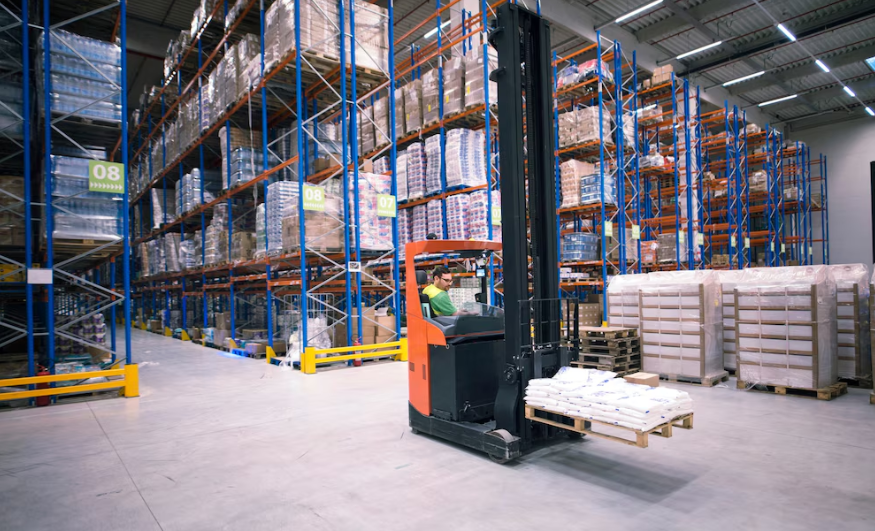
A practical workflow is:
- RMA is created and linked to order, SKU, country, channel, and reason.
- Parcel is scanned at the address or hub.
- Packaging and product condition are documented.
- SKU, serial, lot, expiry, accessories, and seal are checked.
- Product is graded.
- Refund, replacement, or credit event is sent to the channel.
- Inventory status is updated.
- Final route is selected.
- Case is closed with evidence and cost.
Suggested Disposition Codes
|
Code
|
Meaning
|
Next action
|
|
A
|
New and saleable
|
Restock locally or route to demand
|
|
B
|
Opened but functional
|
Repack or send to an approved channel
|
|
C
|
Repairable
|
Hold for repair and retest
|
|
D
|
Low or no recovery value
|
Liquidate, recycle, or destroy
|
|
E
|
Wrong, unknown, or disputed
|
Quarantine and investigate
|
|
F
|
Safety or regulatory hold
|
Specialist review; block release
|
The processing partner needs clear authority limits. Who can approve a repack? Who can authorize destruction? Who decides that a $15 item should not return to China? Put the answer in the SOP. When recovery includes relabeling or new retail packaging, document the approved packing and customization process.
Step 7: Connect Addresses to Technology and Inventory
Map the return address to country, channel, SKU, order type, and RMA rules.
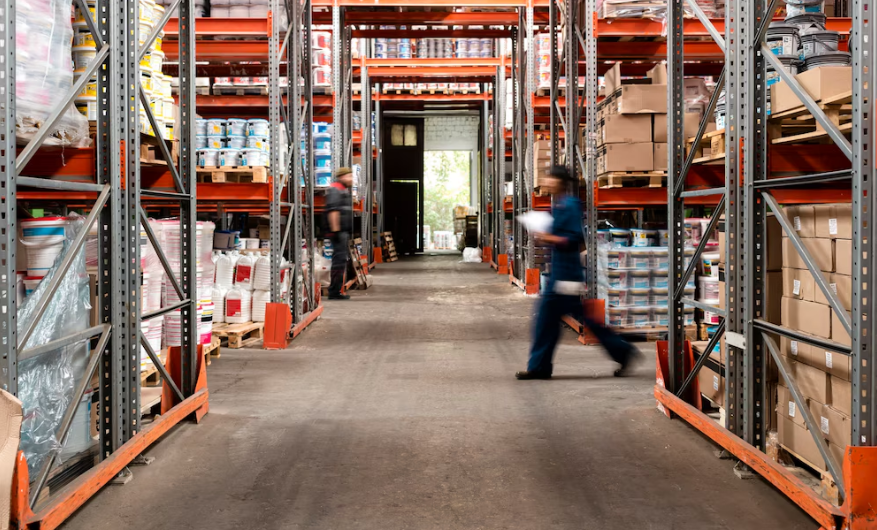
Use WMS locations and statuses for:
- local received;
- inspection pending;
- quarantine;
- saleable;
- repack;
- repair;
- consolidation;
- in transit to China;
- supplier return;
- liquidation;
- recycling or disposal.
The OMS, ERP, ecommerce store, marketplace, returns platform, and finance system should agree on the case status. A returned unit should not become available-to-sell merely because a receipt scan arrived.
Test wrong address, duplicate RMA, delayed scan, stale inventory, failed refund message, duplicate refund, and manual fallback. If the systems connect through an inventory and fulfillment API, test actual exceptions instead of stopping after a successful connection screen.
For high-value, disputed, damaged, or serialized returns, retain photographs and inspection evidence with the RMA.
Step 8: Plan China Consolidation and Final Routing
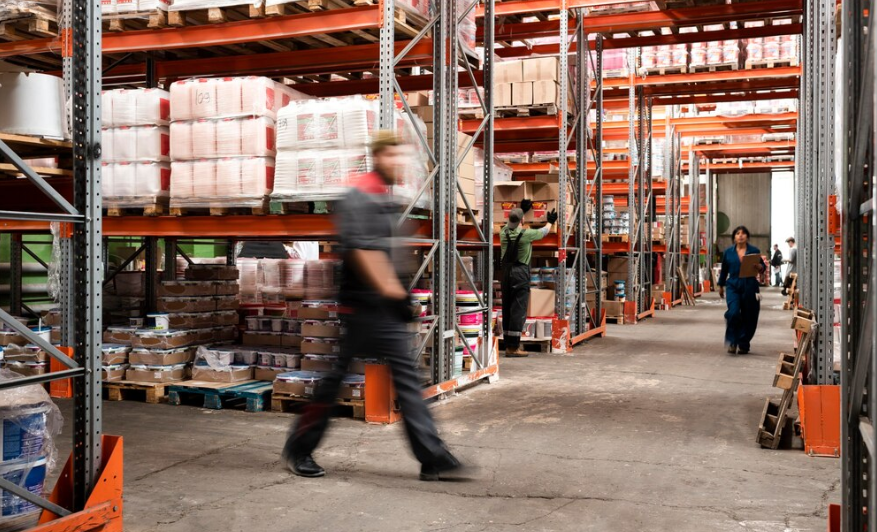
Bulk consolidation can reduce the pain of sending individual parcels back to China. Set a threshold based on units, cartons, pallet space, value, weight, cubic volume, or maximum aging.
Prepare a manifest with SKU, quantity, condition, lot, serial, expiry, declared value, and intended destination. Separate saleable, repairable, damaged, battery, liquid, and regulated goods according to the route and packaging requirements.
Confirm whether goods go to the China warehouse, original supplier, repair center, liquidation partner, recycling provider, or disposal facility. Review customs, duties, VAT, insurance, export, re-import, and product documentation with qualified specialists.
Do not mix sensitive products with ordinary returns simply because they share a destination. Product and transport rules come first.
Step 9: Add Fraud, Abuse, and Address Controls
A public return address can attract wrong-item returns, empty parcels, repeated claims, and address misuse. Controls should be consistent but proportional.
Use RMA or reference numbers to identify parcels. Track repeated refund requests, missing accessories, empty packages, account switching, delivery-address changes, chargebacks, and unusual SKU patterns.
The address itself should be controlled. Limit who can change it in the store, returns platform, or help-center template. Keep an audit trail. Train customer-service teams to use the current address by market and channel.
Risk review should not punish legitimate customers by default. Request additional evidence or manual review where the pattern supports it, and keep the policy aligned with applicable consumer and marketplace requirements.

Step 10: Test Before Publishing the Address
Run a pilot in at least two markets and several product conditions:
- customer creates an RMA;
- correct address and label appear;
- parcel reaches the partner;
- receipt scan updates the case;
- inspection and grade are recorded;
- refund or replacement updates correctly;
- stock is not falsely restocked;
- consolidation or final routing works;
- partner fees are understandable;
- support can answer “where do I send this?” quickly.
|
Go/no-go gate
|
Pass evidence
|
|
Address
|
Correct address by country, channel, and order type
|
|
Partner
|
Receiving hours, capacity, contacts, and escalation confirmed
|
|
System
|
RMA, WMS, OMS, ERP, and channel statuses reconcile
|
|
Product
|
Special handling and non-returnable rules approved
|
|
Economics
|
Total route cost and recovery value modeled
|
|
Customer
|
Policy, label, refund, and exception messages tested
|
|
Compliance
|
Customs, tax, safety, and environmental questions reviewed
|
|
Operations
|
Pilot returns and disposition complete
|
Reverse-Logistics SLA Terms to Define
|
SLA area
|
Contract definition
|
|
Address service
|
Valid address, recipient format, hours, and notification
|
|
Receipt
|
Scan event, timestamp, proof of delivery, and exception handling
|
|
Inspection
|
Time to open, photograph, grade, and report
|
|
Refund support
|
Data event and response time; financial responsibility stays clear
|
|
Disposition
|
Codes, authority, evidence, and inventory statuses
|
|
Consolidation
|
Threshold, schedule, manifest, packaging, and cost allocation
|
|
China return
|
Export, import, customs, taxes, insurance, and documentation owner
|
|
Storage
|
Local and China rates, aging, quarantine, and abandonment rules
|
|
Recovery
|
Resale, repair, credit, liquidation, recycle, donation, destruction
|
|
Reporting
|
Return rate, cost, recovery, aging, reason, condition, and market
|
|
Security
|
Address changes, data access, audit trail, and parcel controls
|
The SLA should also explain what happens when no one responds. Set reminders, escalation, aging limits, and an approved low-value disposition process.
Metrics to Review Monthly
Track return rate by country, channel, SKU, and reason. Then measure the cost and outcome of each route:
- cost per return by address model;
- time from delivery to receipt scan;
- time from receipt to inspection;
- time from inspection to refund or replacement;
- percentage restocked as saleable;
- recovery value and net recovery rate;
- local hub storage aging;
- consolidation fill rate and cost per unit;
- wrong-item and fraud rate;
- address failure or undeliverable rate;
- customer contacts per return;
- disposal and recycling cost;
- partner invoice accuracy.
Use the same definitions every month. “Return cost” should state whether it includes postage, labor, storage, duties, packaging, refund fees, and disposal.
Common Address Strategy Mistakes
|
Mistake
|
Consequence
|
Better control
|
|
China address for every market
|
Customer freight and customs friction
|
Use market-specific routing
|
|
Local address without a real partner
|
Parcels cannot be processed
|
Confirm receiving capacity first
|
|
Mailbox treated as warehouse
|
No inspection or inventory control
|
Connect address to an operating hub
|
|
Same address for every product
|
Sensitive goods are mishandled
|
Route by product risk
|
|
Customs and tax uncertainty hidden
|
Returns stall or create unexpected cost
|
Get qualified route review
|
|
Every return sent individually
|
Freight destroys margin
|
Compare local and consolidated routes
|
|
RMA disconnected from inventory
|
Refund and stock records drift
|
Link order, RMA, WMS, and finance
|
|
Automatic restock
|
Compromised goods may ship again
|
Require inspection approval
|
|
No aging control
|
Parcels and value sit unresolved
|
Set owner and decision deadline
|
|
Outdated support templates
|
Customers receive wrong addresses
|
Version-control policy content
|
|
Free local returns not costed
|
Network cost surprises appear
|
Model labels, labor, storage, and disposal
|
A 30-Day Address Strategy Build Plan
Week 1: Map and Segment
List markets, channels, products, return rates, values, stock locations, and current customer promises. Group products by route and risk.
Week 2: Price and Assign
Compare China-only, country-local, regional, hybrid, returnless, and consolidation options. Select partners and define address ownership.
Week 3: Operate and Integrate
Build RMA, WMS, OMS, ERP, label, inspection, disposition, customer-service, and reporting workflows.
Week 4: Pilot and Publish
Test addresses and returns in selected markets. Fix exceptions, confirm commercial terms, train support, and publish only after go/no-go approval.
Final Checklist
- Markets, channels, SKUs, return rates, and stock locations mapped.
- Customer address, processing location, and final inventory destination separated.
- China-only, local, regional, hybrid, and no-return options compared.
- Complete route cost includes labels, labor, storage, consolidation, customs, disposal, and support.
- Product-specific address and disposition rules documented.
- RMA, WMS, OMS, ERP, marketplace, and finance flows connected.
- Customer policy and labels tested by market.
- Fraud, wrong-item, unclaimed parcel, and address-change controls active.
- Customs, tax, safety, insurance, and disposal questions reviewed by qualified specialists.
- SLA includes receipt, inspection, disposition, storage, reporting, fees, security, and escalation.
- Pilot passed before the address is published broadly.
- Monthly metrics and quarterly strategy review scheduled.
Conclusion
A cross-border returns address is not just a line of text on a label. It is the front door to a reverse-logistics system.
The strongest strategy separates three decisions: where the customer sends the product, where the product is inspected, and where the product finally goes. For a low-value accessory, that may mean a local hub or no physical return. For a high-value serialized device, it may mean local triage followed by controlled repair in China. For apparel, a regional hub may protect both customer experience and resale value.
Build the network with Map, Segment, Price, Assign, Operate, Test, Review. Compare complete route economics, keep product-specific risks visible, connect every address to an RMA and inventory status, and do not publish a “local return” promise until a real partner can receive the parcel.
If you are reviewing your international returns flow, prepare your SKU list, return rate by market, product values, condition rules, local partner options, consolidation volume, and current fulfillment setup. Then request a tailored China returns and fulfillment review.
FAQs
Should every international ecommerce store have a local return address?
No. A local address is useful when it reduces customer friction and the expected recovery or retention value justifies local partner, storage, labor, and system costs. Low-volume or high-value products may still work better with a controlled China route.
Is it better to use a China return address or a local return address?
Compare product value, return rate, freight, customs, handling, recovery value, customer expectations, and inventory demand. A local address often helps high-volume or high-return markets, while a China address may suit low-volume, high-value, repairable, or China-centered products.
How many returns addresses does a cross-border ecommerce brand need?
There is no universal number. Start with the smallest network that can meet customer, product, channel, and volume requirements. That may be one China address, a regional hub, or several local addresses for core markets.
Can the customer return to a local hub while inventory goes back to China?
Yes. The local hub can receive and inspect the parcel, issue or support the refund, and later consolidate approved products to China. Keep the customer return address, processing location, and final inventory destination as separate data fields.
How much does a local returns address cost?
Cost may include setup, address or partner fees, labels, receiving, inspection, storage, repacking, repair, consolidation, disposal, systems, and support. Ask for pricing by unit, parcel, hour, pallet, storage period, and exception activity.
What products should not use an ordinary local return address?
Batteries, liquids, chemicals, contaminated goods, medical products, food, and other regulated or safety-sensitive products may require specialist routing. Confirm product, transport, storage, customs, and disposal requirements before publishing the address.
How do I connect return addresses to Shopify or Amazon?
Map each address to the correct country, channel, SKU, order type, RMA, refund, and inventory statuses. Test label creation, return receipt, refund events, tracking, quarantine, restock blocking, and exceptions. Platform rules vary, so confirm current channel requirements.
What happens if a customer sends a return to the wrong address?
Define the procedure before launch. The receiving partner should identify the parcel where possible, record the tracking and customer reference, notify the brand, and hold the item until a disposition decision is made. Avoid promising automatic forwarding without pricing and authorization.
Should returned products automatically go back into available inventory?
No. Returned products should remain in an inspection or quarantine status until condition, SKU, serial or lot, accessories, and packaging are checked. Only approved saleable units should return to available-to-sell inventory.
What should a cross-border returns SLA include?
Define address validity, receipt scan, inspection time, refund support, disposition codes, storage, consolidation, China return ownership, customs documentation, recovery, claims, fees, reporting, security, aging, escalation, and evidence requirements.
 Want to know about our services, fees or receive a custom quote?